


Heading to the snow this winter in Australia? Knowing how to dress for the snow makes a big difference to the quality of your day. Enjoyment = comfort!
Even if you’re only hitting the trails for the day, it’s good to dress appropriately for the snow, so that you can enjoy the snow comfortably.
So it’s time to rug up, grab your skis and adventure to the mountains!
When it comes to warmth, it’s all about layers
Just like the secret to a good cake, layers are the key to staying warm in the snow. When it comes to warmth in the snow, your choice of clothing will affect your whole day! Poorly insulated clothing can allow heat to escape and can make us sick, whilst too many layers can make us overheat if we’re moving a lot.
When it comes to keeping your body temperature regulated, layers are your best friend, and they come in threes.
You’ll want three types of clothing layers:
- Underlayer/base layer
- Mid layer
- Outer layer
What’s the science of layering?
Every layer that you add will trap warm air between layers. This creates a strong, warm barrier between your body and the freezing temperatures outside. The thinner the space between each layer, the more heat that can be trapped inside each section.
To avoid freezing, you can choose a whole range of different jackets, trousers and/or anything that keeps you warm thanks to a few layers of material over your body.
1. Adding underlayers or ‘base layers’
The underlayer is what keeps your core temperature warm! If you have any water or dampness underneath your layers, then this can make your body cold. That’s why it’s best to wear activewear, or something with ‘moisture-wicking’ properties. This means that the clothing is made from hydrophobic fibres, so it repels moisture.
Base layers are light, breathable bits of material that contact your skin. The purpose of the base layer is to keep moisture away from your skin, but also to keep your body temperature regulated. You’ll lose heat and retain it through a regular heat regulation system that the base layer provides.
So ideally, your underlayer will be…
- Light & breathable
- Moisture-wicking
- Soft & comfortable
- Able to regulate your body temperature
2. Adding middle layers
The middle layers are all about redirecting your body heat back into the base layer – you want to strengthen the heat layers, but also create more distance between the outer layer and your skin.
Top tip: Make sure you don’t use cotton clothing as one of your base or middle layers. That’s because cotton will soak up any moisture that’s on your skin. This will make you feel very cold!
3. Outer layers
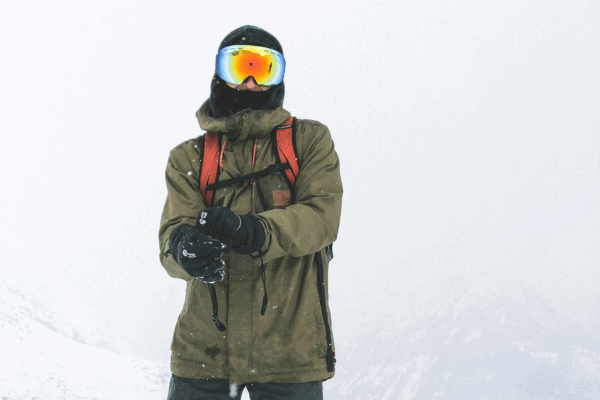
The final layer! This one’s all about keeping waterproof, keeping warm, and keeping a thick layer that retains all the other layers and bits of heat on the inside…The outer layer is the layer that will form an outer shield against you and the elements outside. It will form a barrier between the snow, wind, rain and anything that you meet. This is the thick barrier that is the strongest ‘defence’ between the outside world and your skin. Think of your body as a turtle – the outer layer of clothing is your shell.
Your outer layer should be…
- Breathable
- Waterproof
- Moisture-resistant
- Have sealed seams
- Has enough space to fit over your base and be able to insulate the rest of your layers underneah
- Protective from the outside
Don’t forget about footwear in the snow! Wear insulated snow boots to keep your feet warm. In comparison to the rest of your body, your feet will be in contact with the snow the most (depending on how many times you fall!)
Insulated boots work in the same way as your layers – they’ll trap warm air around your feet. This creates multiple layers of warm temperatures around your feet, helping to form a thick barrier between your feet and the snow. This keeps your feet comfortable. To ensure maximum comfort, get boots that have a proper fit. They will be better moulded to your feet.
Don’t underestimate the power of a good pair of socks! If your toes are still chilly, layer up your feet with extra thermal socks that will keep your feet nice and warm.
Join us on a snow tour!
Where to go in the snow for a whizz down the trails? Head off to the snow on a snow tour, whether you’re going for a day or a month.
Explore the Popular Australian Tours