
TL;DR: Shoulder seasons (March to May and September to November) suit most of southern and central Australia. The dry season (May to October) is the only sensible window for the Top End and Kakadu. And winter (June to August) is peak season for Cairns and the Great Barrier Reef, not a time to avoid.
Australia is roughly the size of Europe, and it spans from the tropics to the Southern Ocean. Which means “the best time to visit Australia” is close to a useless question until you say where you’re going.
August in Cairns is 26 degrees, dry, and the best diving of the year. August in Melbourne is grey and 14. August in Kakadu is the middle of the dry season and every road is open. The same month, three completely different answers.
So here’s the region-by-region version, mapped to the places you’re likely to actually visit.
Understanding Australia’s climate split
The country runs on two systems.
The south has four seasons, reversed from the northern hemisphere. Summer is December to February, autumn is March to May, winter is June to August, spring is September to November. This covers Sydney, Melbourne, Adelaide, the Blue Mountains, the Hunter Valley, the Barossa and Kangaroo Island.
The tropical north has two seasons. The wet season runs November to April: heat, humidity, monsoonal rain, road closures and spectacular waterfalls. The dry season runs May to October: warm days, cool nights, low humidity, everything is open. This covers Darwin, Kakadu, and to a lesser degree Cairns and the Daintree.
Central Australia sits between the two. Uluru is desert rather than tropical, with hot summers over 37 degrees, mild winter days around 22 degrees and overnight temperatures that can drop to about 3.
Region by region
| Region | Best time | Why |
| Cairns, Daintree and Great Barrier Reef | May to October | Dry season. Lower humidity, better underwater visibility, minimal rain. Winter is peak reef season |
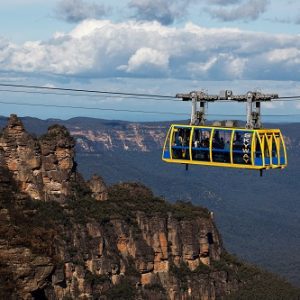
| Blue Mountains and Hunter Valley | March to May, September to November | Mild walking weather and autumn colour. Winter works well for wine, with fires lit in the cellar doors |
| Barossa Valley, Adelaide and Kangaroo Island | September to May, avoiding peak summer heat | Spring and autumn are ideal. January and February can run over 40 degrees |
| Uluru and the Red Centre | April to September | Comfortable walking temperatures. Summer over 37 degrees makes long walks unsafe |
| Darwin and Kakadu | May to October | Dry season only for full access. Wet season closes roads and many sites |
| Fraser Island (K’gari) | Year-round, best August to October | Accessible all year. Avoid the humidity and storms of midsummer |
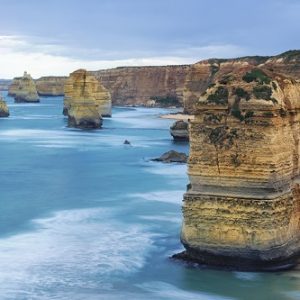
| Melbourne, Great Ocean Road and Phillip Island | October to April | Warmer, longer days. The coast is windy and cool year-round, so pack a jacket regardless |
Winter is peak season in Cairns
This one catches northern hemisphere visitors out constantly.
June to August in Cairns means daytime temperatures in the mid-twenties, low humidity, minimal rain and the calmest water of the year. Underwater visibility on the outer reef is at its best. It is the single most popular time to visit the Great Barrier Reef and prices reflect that.
If you’re used to winter meaning something to endure, reset that assumption for Far North Queensland. Book early rather than expecting off-season availability.
The wet season (roughly December to March) isn’t unvisitable, and the rainforest is genuinely more impressive in it, but you’ll deal with humidity, afternoon storms and stinger season in the water.
Kakadu’s wet season, honestly
Kakadu in the wet is a different park, and it’s worth being straight about what that means.
From November to April, monsoonal rain floods the wetlands. Unsealed roads close, and access to some of the park’s best-known sites, including Jim Jim Falls and Twin Falls, is cut off entirely for months. Some tour products don’t operate at all.
What you get instead: waterfalls at full volume, floodplains alive with birds, dramatic storm skies and very few other people. Scenic flights over the flooded park in the wet are extraordinary.
What you don’t get: the ability to drive to most of it.
If Kakadu is your priority, come between May and October. If you’re coming in the wet anyway, adjust your expectations rather than your dates, and go with an operator who runs flexible itineraries. Our Kakadu tours operate year-round with guides who reroute around water levels and closures, but no operator can open a closed road.
What changes seasonally on our tours
A few things worth knowing when you’re planning around dates.
- Great Barrier Reef liveaboards run through the year but conditions vary. Winter is the calmer, clearer window for multi-day trips.
- Kakadu access is the most seasonally affected part of our range. Some Darwin and Kakadu products operate during the dry season only, generally from May to October. Check the live booking calendar for exact operating dates.
- Whale watching off the Great Ocean Road and Moreton Bay is a June to October window.
- Uluru multi-day tours operate year-round with air-conditioned vehicles and experienced guides, but summer walking is restricted by heat and you should expect the schedule to shift earlier in the day.
- Great Ocean Road and Phillip Island run year-round in ordinary weather. The Penguin Parade is cold in the evening even in summer, and that surprises people every single year.
Shoulder season value
If you’re visiting multiple regions in one trip, March to May and September to November are the best compromise.
Those months give you comfortable temperatures in the south, workable conditions at Uluru, and the shoulders of the northern dry season. You’ll pay less than in peak periods, and you’ll queue less at the popular sites.
The one thing shoulder season doesn’t give you is peak reef conditions. If diving the Great Barrier Reef is the centrepiece of your trip, build the itinerary around the winter dry season and accept that Melbourne will be cold when you get there.
Which is the honest way to plan a trip to a country this size: pick the region that matters most, get its season right, and treat everything else as a compromise you’ve chosen deliberately.
Frequently asked questions
What is the best month to visit Australia overall?
If you’re visiting multiple regions, September or October. You get warm spring weather in the south, comfortable conditions at Uluru, and the tail of the northern dry season. April is the autumn equivalent.
Is winter a bad time to visit Australia?
Not at all, and in the tropical north it’s the best time. June to August is peak season in Cairns and on the Great Barrier Reef, and it’s the only reliable window for Kakadu. Southern cities are cooler but far from unpleasant.
When is the best time to visit the Great Barrier Reef?
May to October. Lower humidity, calmer water, better underwater visibility and no stingers. Winter is the busiest period on the reef, so book ahead.
When should you visit Kakadu and Darwin?
May to October, the dry season. During the wet (November to April) unsealed roads close and access to sites including Jim Jim Falls and Twin Falls is cut off. Some tours operate during the dry season only.
What is Australia’s wet season?
The monsoonal season in the tropical north, running roughly November to April. It brings heat, humidity, heavy rain, flooding and road closures, along with full waterfalls and dramatic skies.
Is it expensive to visit Australia in summer?
December and January are peak domestic holiday seasons in the southern states, so accommodation and flights are at their most expensive there. The tropical north is the reverse: summer is its low season.
Which tours have seasonal operating windows?
Some Darwin and Kakadu products operate during the dry season only, generally from May to October. Whale watching is a June to October activity. Check the live booking calendar on each tour page for exact operating dates.
Explore the Popular Australian Tours